In this guide
- Why Moving Into a High-Rise or Condo in South Florida Is Different From a Standard Home Move
- What Every South Florida Condo and High-Rise Building Requires Before You Book Movers
- How Elevator Reservations Work for Condo and High-Rise Moves in Miami and Fort Lauderdale
- Coordinating With Your HOA and Building Management for a Smooth Move-In Day
- How to Time Your High-Rise Move Around Building Logistics and Peak Season
- What White-Glove Moving Looks Like Inside a Luxury Condo or High-Rise Building
- Common High-Rise Moving Mistakes to Avoid When Hiring Movers in South Florida
- The Biscayne Moving Co. Standard for High-Rise and Condo Moves
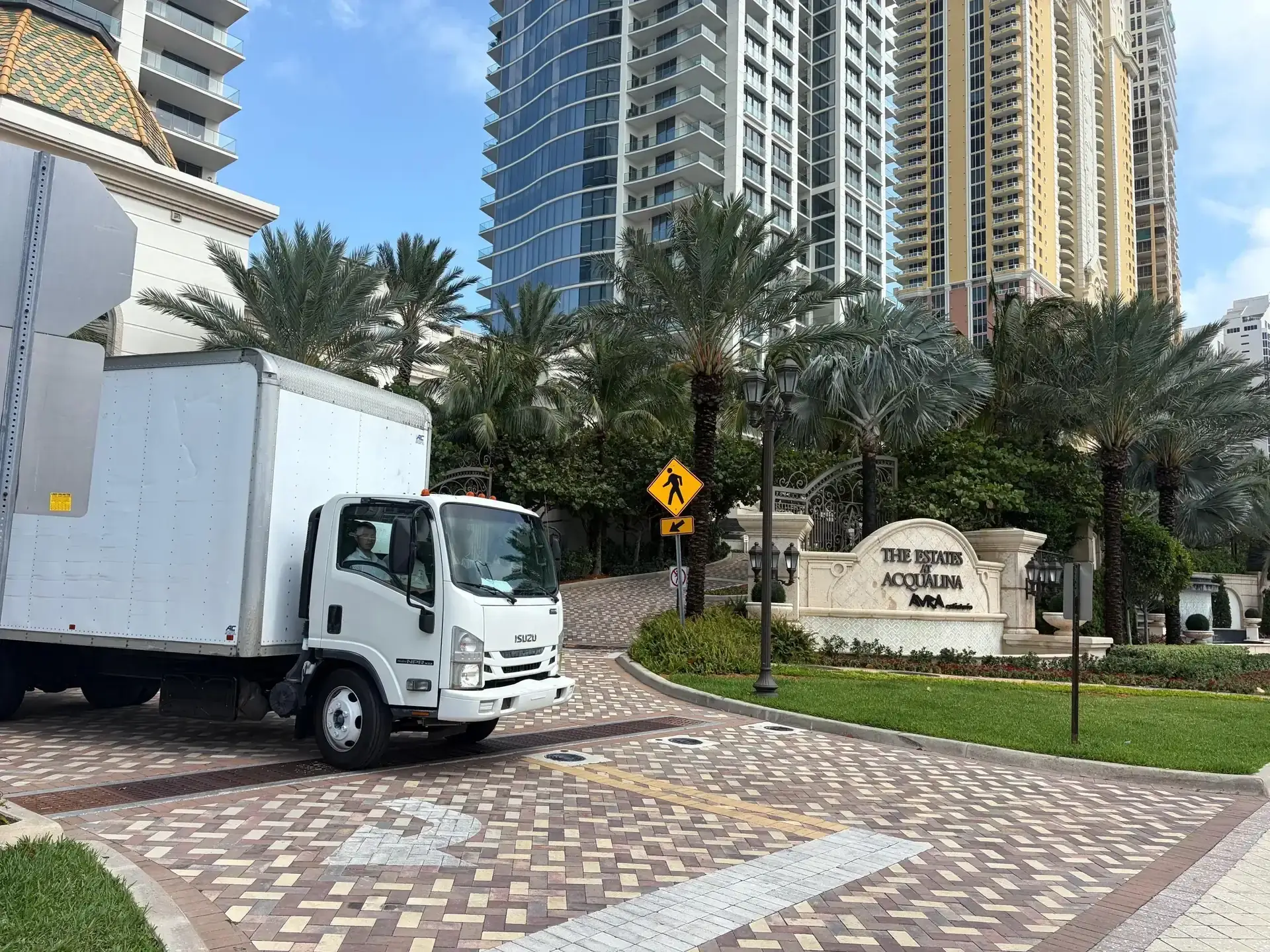
Moving into or out of a high-rise condo is not the same experience as moving out of a single-family home. Between elevator reservations, HOA approval processes, certificate of insurance requirements, and building-specific move windows, a condo move introduces layers of coordination that most moving companies simply aren't equipped to handle. For anyone relocating into one of many South Florida's towers, whether in Sunny Isles Beach, Brickell, Fort Lauderdale, or along the coast toward West Palm Beach, understanding how high-rise moving actually works can be the difference between a smooth move-in day and a costly, delayed one.
This guide breaks down everything condo and high-rise residents need to know before booking movers in South Florida, from building requirements to elevator logistics to the mistakes that trip up even well-prepared homeowners.
Why Moving Into a High-Rise or Condo in South Florida Is Different From a Standard Home Move
A house move is largely a matter of loading a truck and driving. A high-rise move involves a third party that neither the mover nor the resident controls: the building itself. Property management, HOA boards, and security desks all have a say in when, how, and even whether a move can happen on a given day. Buildings restrict move times to protect shared elevators, lobbies, and hallways from damage and to avoid disrupting other residents. That means movers need direct experience navigating loading dock schedules, freight elevator systems, and building-specific paperwork, not just general moving experience. This is especially true across Miami-Dade and Broward County, where luxury towers in neighborhoods like Sunny Isles Beach and Brickell often have stricter move-in requirements than the buildings themselves let on until move week arrives.
What Every South Florida Condo and High-Rise Building Requires Before You Book Movers
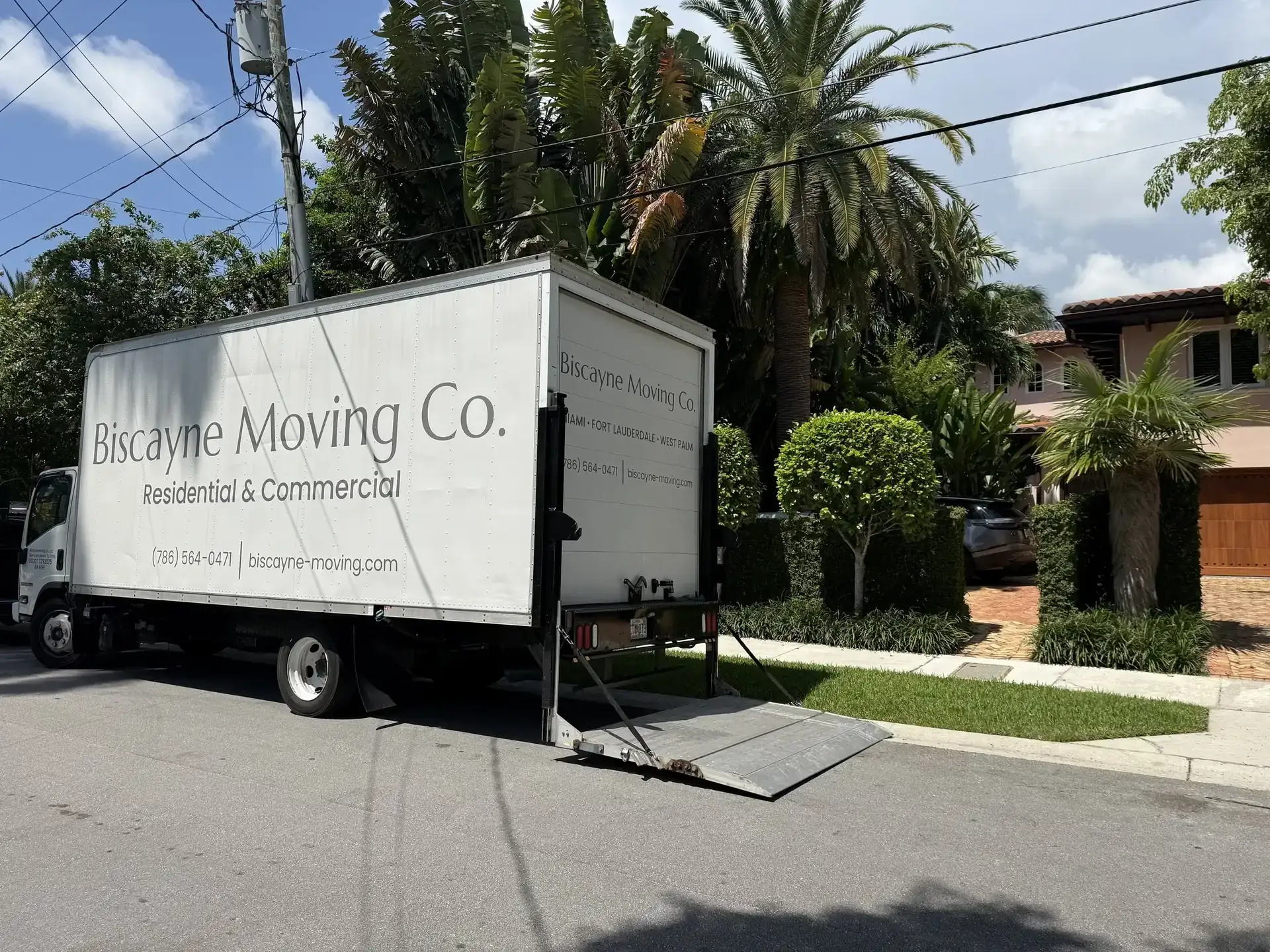
Before a single box gets packed, most condo and high-rise buildings require a formal move application, and nearly all require a Certificate of Insurance (COI). A COI verifies that the moving company carries adequate liability and workers' compensation coverage, and it typically needs to be submitted to property management several business days in advance, sometimes longer during peak season.
Requirements vary significantly by building and by city. Some buildings in Sunny Isles Beach require 48 to 72 hours' notice along with a refundable move-in deposit, while others in Fort Lauderdale may only require a signed elevator reservation form. Because these requirements differ so widely, it's worth confirming with your building's management office as early as possibl, ideally the same week you book your mover, not the week of your move.
This is also where working with an experienced local moving company pays off. Movers who regularly work in South Florida's condo market already know which buildings require COIs 72 hours out versus same-week, which ones cap move times to weekday mornings, and which have their own specific insurance minimums.
How Elevator Reservations Work for Condo and High-Rise Moves in Miami and Fort Lauderdale
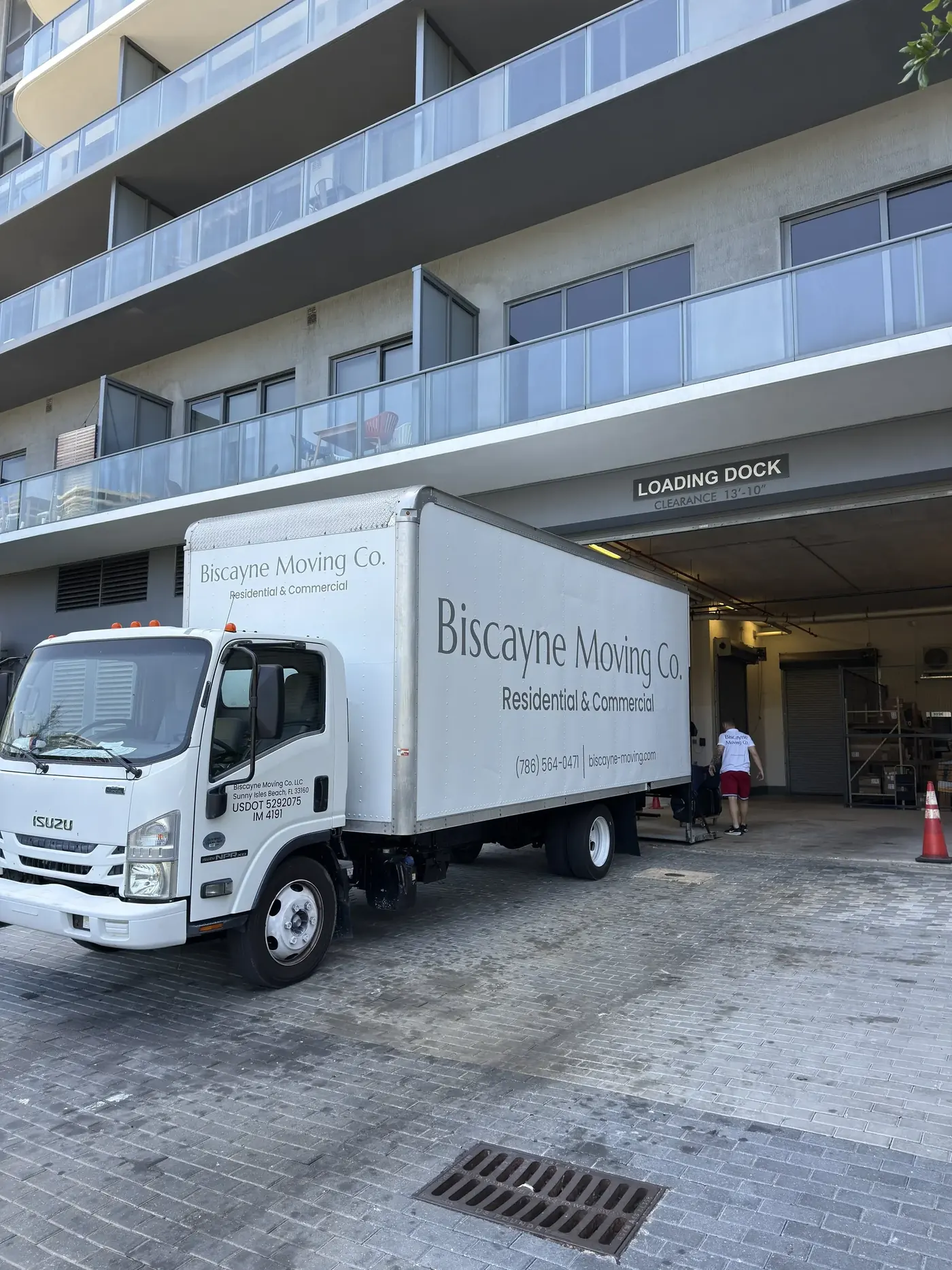
Elevator access is, without question, the single biggest logistical constraint in any high-rise move. Nearly every condo building restricts moves to a designated service or freight elevator, not the passenger elevators residents use daily, and that elevator is shared among every resident moving in or out that week.
Reservation windows typically need to be booked one to two weeks in advance for a standard move, and three to four weeks out during peak moving season in South Florida, which generally runs from late spring through summer. Waiting too long to reserve a window is one of the most common reasons condo moves get delayed or pushed to a less convenient time slot.
It's also worth understanding the difference between freight and passenger elevators in luxury buildings. Freight elevators are typically larger, padded, and rated for heavier loads, but not every building has one, some smaller boutique condo buildings only have a single service elevator that must be shared with deliveries and other residents throughout the day. Missing a reserved window, whether due to traffic, building delays, or running behind schedule, can mean losing your deposit or being rescheduled entirely, which is why timing and communication with the building matter just as much as the physical move itself.

Coordinating With Your HOA and Building Management for a Smooth Move-In Day
Every high-rise move ultimately runs through the building's HOA or management office, and building management is the true gatekeeper. Most require a formal move-in or move-out application submitted in advance, along with a refundable security deposit intended to cover any damage to common areas during the move.
Buildings across Miami, Fort Lauderdale, and Aventura frequently mandate hallway and elevator protection, corner guards, floor runners, and padded walls, as a condition of approval, and some require the moving company to walk through the space with a building representative before and after the move to document existing condition. It's also common for buildings to restrict moves to weekdays only, or to block moves entirely during weekends and holidays when lobby traffic is highest.
The point of contact for coordinating all of this also varies. In some buildings it's a dedicated property manager; in others, it's the concierge desk or security team who manage day-of logistics like access codes and loading dock scheduling. Knowing who to coordinate with, and having that relationship already established, is where an experienced residential moving team saves real time on move day.
How to Time Your High-Rise Move Around Building Logistics and Peak Season
Condo moves almost always take longer than comparable house moves, even when the unit itself is smaller. A single shared elevator, a loading dock queue with other deliveries, and security check-in procedures all add time that a standalone house move doesn't have to account for.
This is especially noticeable at the end of the month, when rental buildings across Miami and Fort Lauderdale see a surge of move-outs and move-ins clustered into the same few days. Booking early in the month, when possible, tends to mean shorter elevator wait times and more flexibility with scheduling. For anyone relocating into a high-rise along the coast, from Sunny Isles Beach down through Brickell, building this extra buffer into your moving day timeline is one of the simplest ways to avoid unnecessary stress
What White-Glove Moving Looks Like Inside a Luxury Condo or High-Rise Building
Condo and high-rise moves demand a level of care that goes beyond simply loading and unloading boxes. Hallways are narrower, doorframes are tighter, and shared spaces need to be protected throughout the entire move, not just at the loading dock.
That typically means corner guards on doorframes, floor runners through hallways and lobbies, and padded protection inside elevators for the duration of the move. Larger furniture pieces often need to be disassembled to navigate tight condo hallways or narrow interior doorways, then reassembled carefully once inside the unit. Movers also need to coordinate directly with concierge or security staff for building access, parking or loading zone use, and any access codes required to reach service elevators or loading docks.
This is where full-service packing and white-glove handling matter most, not as a luxury add-on, but as the standard required to move through a high-rise building without damaging shared property or violating the building's move-in terms.
Common High-Rise Moving Mistakes to Avoid When Hiring Movers in South Florida
The most common mistake condo residents make is waiting too long to confirm building requirements — assuming the COI, elevator reservation, and move-in application can all be handled the week of the move. In practice, many buildings across South Florida require this paperwork submitted days or even weeks in advance, and missing that window can push a move-in date back entirely.
Other frequent missteps include underestimating elevator wait times, overlooking building-specific parking or loading zone restrictions, and hiring a moving company unfamiliar with local high-rise protocols. Not every moving company is set up to navigate COI requirements, freight elevator scheduling, and HOA coordination — and the ones that aren't tend to be the source of last-minute delays on move day.
The Biscayne Moving Co. Standard for High-Rise and Condo Moves
For anyone relocating into or out of a condo in Sunny Isles Beach, Brickell, Fort Lauderdale, Aventura, or elsewhere along the South Florida coast, working with a moving company that already understands how individual buildings operate removes a significant amount of uncertainty from the process. Biscayne Moving Co. coordinates COIs, elevator reservations, and building paperwork directly with property management as a standard part of every condo and apartment move, so residents aren't left managing building logistics on top of their own move.
Whether you're relocating within the same building or moving into a new tower across Miami, Fort Lauderdale, or West Palm Beach, getting the building requirements right from the start is what makes for a smooth, on-schedule move-in day. Request a free quote to start planning your high-rise move with a team that already knows how South Florida's buildings operate.
Frequently Asked Questions
Do all condo buildings in Miami require a Certificate of Insurance (COI) for movers?
Most condo and high-rise buildings across Miami-Dade and Broward County require a COI before a move can be scheduled, though minimum coverage amounts and submission deadlines vary by building. Some require the COI submitted 72 hours in advance, while others accept it the same week. It's best to confirm your building's specific requirement with property management as soon as your move date is set.
How much does it cost to move into or out of a high-rise condo in South Florida?
High-rise and condo moves typically cost more than standard home moves due to added time for elevator waits, loading dock coordination, and building check-in procedures. Pricing depends on the size of the unit, distance, and building-specific requirements like move-in deposits or after-hours access fees, so getting a quote based on your specific building is the most accurate way to estimate cost.
Can I move into a condo building on a weekend in Miami or Fort Lauderdale?
It depends on the building. Many high-rise buildings restrict moves to weekdays only to reduce lobby and elevator traffic during peak weekend hours, while others allow weekend moves with an added fee. Checking your building's move-in policy early prevents scheduling conflicts closer to your move date.
What happens if I miss my scheduled elevator reservation during a move?
Missing a reserved elevator window can result in a rescheduled move date, a lost deposit, or an extended wait for the next available slot, since most buildings only allow one moving crew to use the service elevator at a time. Building in extra time for traffic, parking, or loading delays helps avoid this on move day.
Do movers need special training to work in luxury high-rise buildings?
While there's no formal certification, moving crews experienced in high-rise and luxury condo buildings understand how to protect hallways, elevators, and lobbies, coordinate with concierge and security staff, and navigate the paperwork and scheduling requirements specific to South Florida buildings, all of which reduce the risk of delays or property damage during the move.