10 Costly Moving Mistakes in Miami And How to Avoid Them
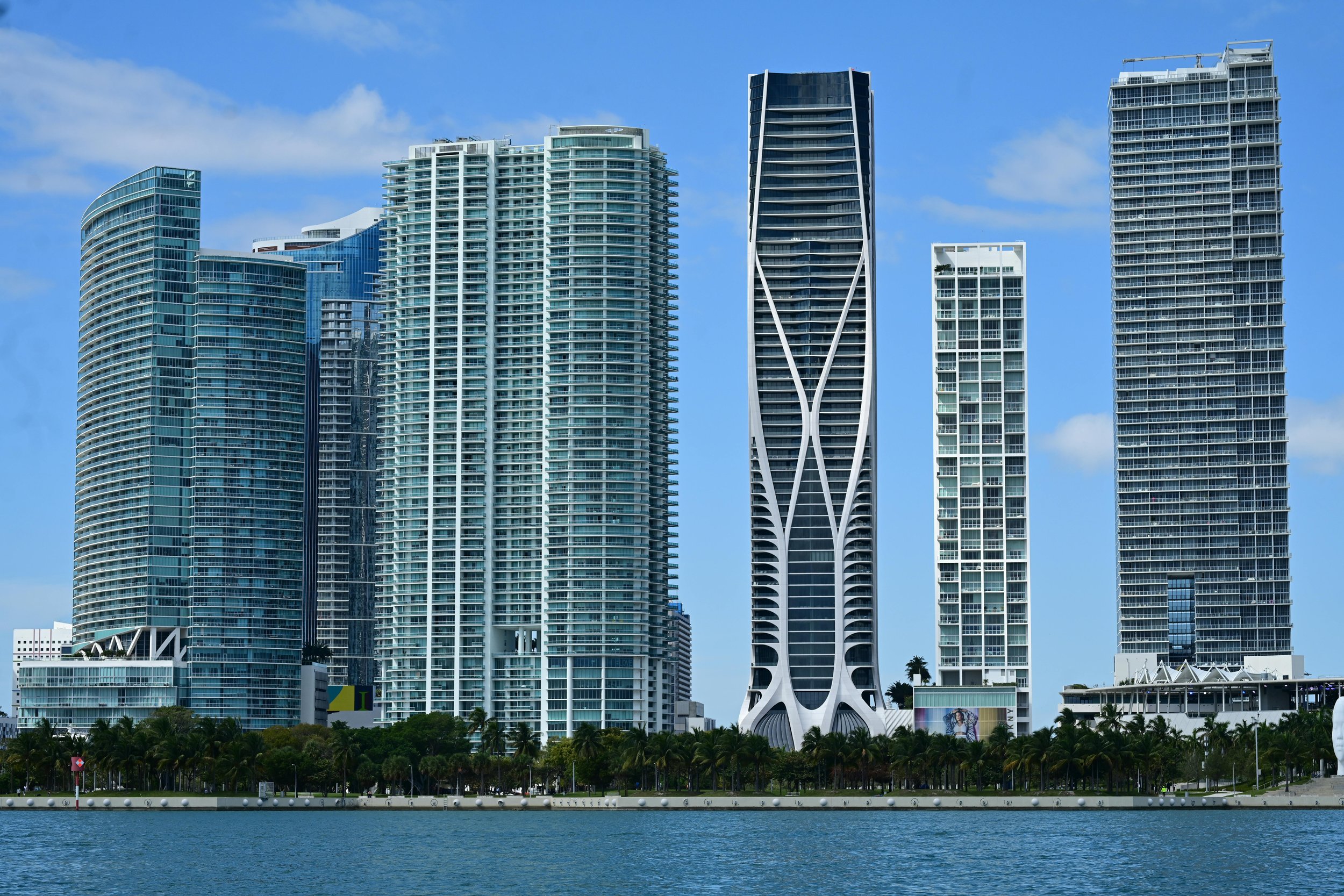
Moving in Miami is not just about getting your belongings from one place to another. It’s a process shaped by building rules, traffic patterns, timing restrictions, and logistics that can vary drastically depending on the neighborhood.
In areas like Brickell, Downtown Miami, Sunny Isles Beach, and Aventura, a move is often controlled more by building management than by distance. Elevator reservations, certificates of insurance, loading zones, and time windows all play a role, and overlooking even one of these can create delays that ripple through the entire day.
For example, a move that should take four hours can easily stretch into six or seven simply because of shared elevators, traffic delays, or access issues. These aren’t rare situations, they’re common, especially in South Florida.
If you’re planning a move anywhere in Miami or nearby areas, understanding the most common moving mistakes in Miami ahead of time can make a significant difference in how smooth the process feels from start to finish.
1. Not Reserving the Elevator in Advance
In many Miami condo buildings, the elevator isn’t something you can just use freely during a move. It usually has to be reserved in advance, approved by management, and sometimes even supervised by building staff.
In Brickell high-rises, for example, some buildings only allow one move per time slot. Others allow multiple moves at the same time, but that often leads to shared elevator use, which slows everything down. Instead of continuous trips, movers may need to wait between runs, especially during peak hours.
There’s also an important distinction between having a dedicated elevator and being assigned a shared moving window. With a dedicated elevator, your move flows consistently. With a shared one, you may lose time every trip, especially if another move is happening at the same time.
In Many South Florida cities such as Miami, Sunny Isles Beach or Aventura, it’s also common for buildings to require:
Elevator padding before the move starts
A service elevator only (not resident elevators)
A strict start and end time
If these details aren’t clarified in advance, the entire move can feel disorganized from the beginning.
Experienced teams handling condo movers in Miami type of moves typically plan around these factors ahead of time, rather than adjusting to them mid-move, which makes a noticeable difference in efficiency.
Miami Moving Tip: Always ask your building if the elevator is reserved exclusively for your move or shared with others, this alone can change your total moving time significantly.
2. Not Understanding COI Requirements
The Certificate of Insurance (COI) is one of the most commonly misunderstood parts of moving in Miami, especially for first-time condo moves.
Most buildings require a COI before allowing any moving company inside, but what many people don’t realize is that each building has its own format and requirements. It’s not a one-size-fits-all document.
For example, a building in Downtown Miami may require:
Specific liability coverage amounts
Workers’ compensation listed clearly
The building named as “additionally insured” with exact wording
Another building just a few blocks away might require a completely different format.
It’s very common for someone to submit a COI ahead of time, assume everything is approved, and then find out on moving day that it’s been rejected because of a minor wording issue. At that point, everything stops until a corrected version is sent.
When dealing with licensed and insured movers in Miami, the process tends to be smoother simply because they’re used to adjusting COIs based on different building requirements throughout South Florida.
Pro Moving Tip: Request your building’s COI requirements in writing and send them to your movers at least a few days before the move, don’t wait until the last minute.
3. Underestimating Miami Traffic and Travel Time
One of the biggest mistakes people make when planning a move in Miami is assuming that distance equals time. In reality, traffic patterns play a much bigger role than mileage.
For example, a move from Brickell to Aventura might look like a quick 30-minute drive on a map. However, around 3 PM or during peak traffic hours, that same route can take an hour or even longer depending on congestion along I-95 and surrounding roads.
This doesn’t just affect driving, it affects your entire moving schedule.
If your move is scheduled within a strict building window, arriving late due to traffic can reduce the time you have available to unload. In some cases, that can lead to rushing, rescheduling, or even splitting the move into two days if the time window is missed.
Traffic also impacts:
When the truck can access loading areas
How long unloading takes if timing overlaps with other moves
Overall hourly cost if the move is time-based
When coordinating with a local Miami moving company, timing is often planned based on traffic patterns, not just distance, especially for moves between high-density areas like Downtown, Brickell, Fort Lauderdale, or Aventura.
Local Moving Insight: If possible, schedule your move earlier in the day, morning moves in Miami tend to avoid the worst traffic delays and keep everything on track.
4. Hiring Movers Without High-Rise Experience
Not all moving jobs are the same, and in Miami, high-rise moves are a category of their own.
Moving in a house or low-rise building is relatively straightforward. High-rise buildings introduce layers of complexity that require a different approach entirely.
In places like Brickell or Sunny Isles, movers often deal with:
Long and narrow hallways that require strategic item placement
Elevators with time restrictions
Loading docks shared with other residents
Tight turns and limited maneuvering space
A team that isn’t used to this environment may move slower simply because they’re figuring things out as they go.
For example, inefficient elevator loading can add multiple unnecessary trips. Not staging items properly near the elevator can cause bottlenecks that delay the entire process.
This is why people often specifically look for Miami condo movers, not because moving is difficult, but because high-rise logistics require a certain level of familiarity to be done efficiently.
Quick Tip: Ask your movers if they’ve worked in your building or similar ones before, it’s one of the easiest ways to gauge how smoothly your move will go.
5. Not Using Proper Packing Materials
Packing is one of those things that seems simple until something goes wrong.
In Miami, environmental factors like humidity can affect certain items if they’re not packed correctly. Furniture, electronics, and fragile items all require different levels of protection depending on how they’ll be transported.
There’s also a difference between packing for storage and packing for movement. Items that are loosely packed may shift during transit, even over short distances.
For example:
Glassware without proper cushioning can break even in a short move
Electronics without secure wrapping can be damaged by movement
Furniture without padding can get scratched during tight hallway navigation
Using proper materials and techniques, like those typically included in professional packing services in Miami, helps reduce these risks significantly.
Biscayne Moving Co. Tip:
If you’re packing yourself, focus on stability inside the box, not just filling it, items shouldn’t shift when you lightly shake the box.
6. Waiting Until the Last Minute to Book Movers
Timing is everything in Miami’s moving market.
Because many leases start and end at the same time, demand for movers spikes toward the beginning and end of each month. Weekends and summer months are also particularly busy.
Waiting too long to book can limit your options, not just in availability, but also in scheduling flexibility.
For example, if your building only allows moves on certain days or during specific hours, you’ll need to coordinate that with mover availability. Trying to align both at the last minute can become difficult.
People who book earlier tend to have more control over:
Move timing
Crew availability
Coordination with building management
This becomes especially important in high-demand areas like Brickell, where scheduling conflicts are more common.
Pro Moving Tip:
Try to book your move at least 1–2 weeks in advance, especially if you’re moving at the end of the month or in a high-rise building.
7. Ignoring Building Time Windows
Many Miami buildings operate on strict moving schedules, and these time windows are often enforced without flexibility.
A common example is a building that allows moves only between 9 AM and 4 PM. If your move runs past that window, you may be required to stop immediately and continue another day.
This becomes a problem if:
The move starts late
Delays happen earlier in the day
Elevator access is slower than expected
Even small delays can add up, especially in buildings with shared elevators or limited dock access.
Planning your move to fit comfortably within the allowed time window, not just barely within it, can help avoid unnecessary stress and costs.
Miami Moving Tip:
Always build in extra time when planning your move, finishing early is much better than rushing against a strict building deadline.
8. Not Labeling Boxes Clearly
Labeling is often overlooked, but it plays a big role in how smoothly the move finishes, not just how it starts.
Without clear labeling:
Boxes may be placed in the wrong rooms
Unpacking becomes time-consuming
Important items are harder to locate
For example, if kitchen items are mixed with office supplies, setting up even basic essentials can take much longer than expected.
A simple system, labeling by room and priority, can make the entire unloading and unpacking process more organized.
Quick Tip:
Label both the top and sides of each box so they’re visible no matter how they’re stacked.
9. Overlooking Parking and Loading Access
Parking in Miami can be unpredictable, especially in high-density areas like Downtown or Brickell.
Some buildings provide loading docks, but these may need to be reserved in advance. Others rely on street parking, which can vary depending on time of day and local restrictions.
If a truck arrives and doesn’t have immediate access, delays begin right away.
For example:
Waiting for a loading zone to clear
Navigating tight streets or one-way roads
Adjusting parking due to restrictions
These factors can slow down even the most organized move.
Understanding Miami parking regulations and access ahead of time, not just assuming it will be available, can help everything run more smoothly.
Local Moving Insight:
Check with your building about loading zones and parking rules ahead of time, don’t rely on finding space when the truck arrives.
10. Trying to Do Everything Yourself
DIY moves are often underestimated in Miami, especially when high-rise buildings are involved.
What seems like a simple plan can quickly become complicated when factoring in:
Elevator scheduling
Building rules
Traffic delays
Physical workload
For example, moving out of a Brickell apartment without a clear plan often leads to multiple trips, longer timeframes, and unexpected challenges with building coordination.
Even small inefficiencies, like not staging items properly or misjudging timing, can add hours to the process.
When everything is structured ahead of time, the move tends to feel much more controlled and predictable.
Biscayne Moving Tip:
If you’re handling parts of the move yourself, focus on coordination first, timing and logistics matter just as much as packing and lifting.
Final Thoughts
Moving in Miami is less about distance and more about coordination. Between building requirements, traffic, and timing, even small details can have a noticeable impact on your move’s time and cost.
Most of these challenges are predictable once you understand how the process works locally. Taking the time to prepare, ask the right questions, and plan ahead can make the entire experience far more efficient and less stressful.
Frequently Asked Questions About Moving in Miami
-
Most high-rise condos and apartment buildings in Miami require a Certificate of Insurance (COI) before allowing movers on-site. Requirements vary by building, and some may request specific wording, coverage limits, or additional insured details.
-
In most cases, yes. Experienced movers in Miami are familiar with building requirements and can provide the correct COI format while coordinating directly with management to ensure everything is approved before moving day.
-
Many buildings in Miami require advance reservation for loading docks or designated moving zones. In areas like Brickell or Downtown, street parking may also be restricted, so it’s important to confirm access ahead of time with your building.
-
If a move exceeds the allowed time window, some buildings may require you to stop and continue another day. This can lead to delays and additional costs, which is why planning timing carefully is especially important in Miami.
-
Yes, moving in high-rise buildings typically involves more coordination, including elevator scheduling, building rules, and limited access points. These factors can affect timing and require a more structured approach compared to standard residential moves.