Moving in South Florida During the Summer: What You Need to Know (2026 Guide)
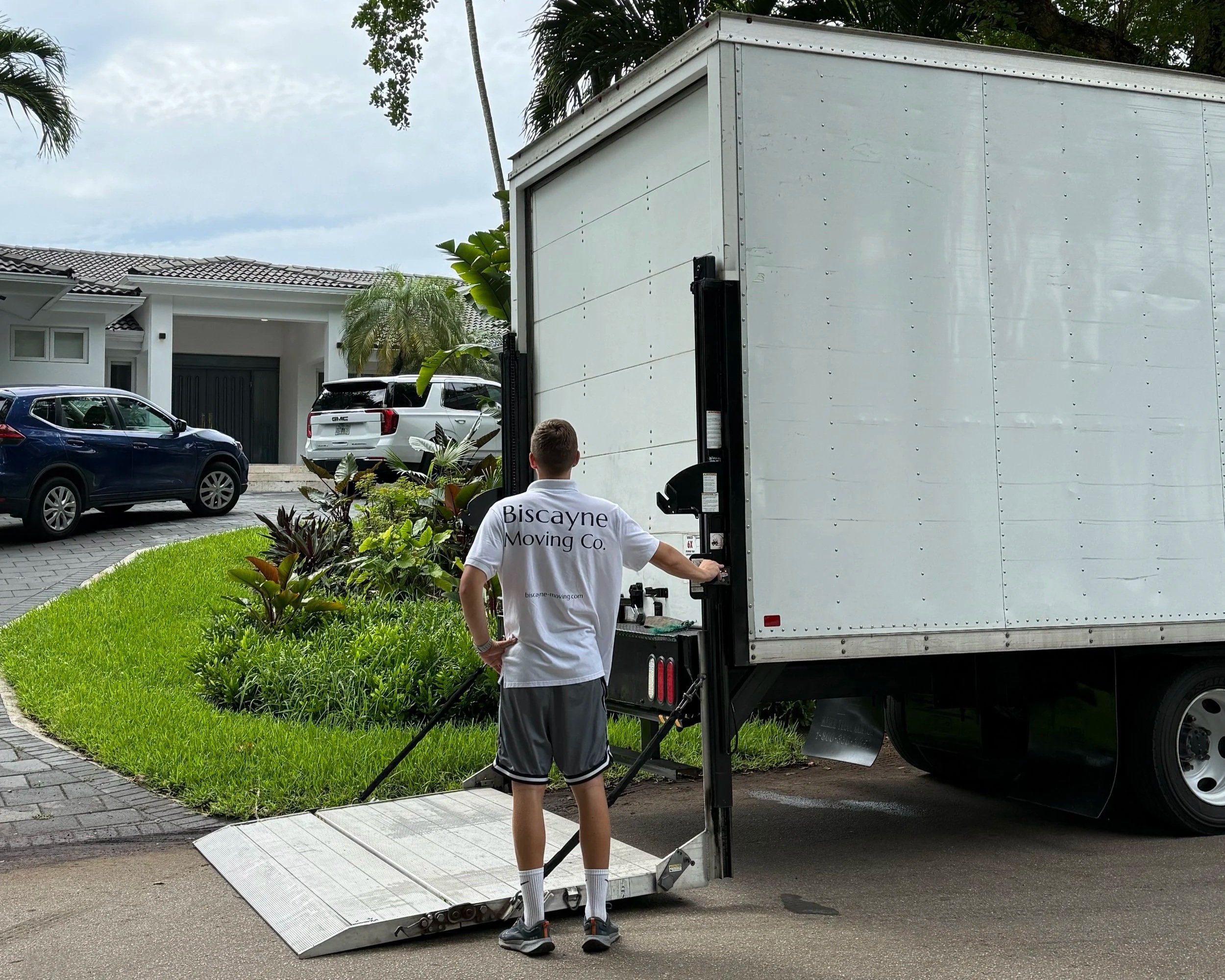
If you're planning a move between June and September in South Florida, you already know it's not going to be easy. The heat is relentless, afternoon thunderstorms appear out of nowhere, and humidity levels that make a 90°F day feel like 100°F. Summer in Miami, Fort Lauderdale, Hollywood, Aventura, and the surrounding areas is a whole different beast, and moving through it requires a completely different level of preparation. This guide covers everything you need to know before scheduling a summer move in South Florida: how to work around the heat, what to do when the rain rolls in, how to protect your belongings, and why booking the right movers in Miami makes all the difference when the temperature hits 95°F before noon.
Why Summer Moves in South Florida Are Different
Most moving guides treat summer like any other season, a few generic tips about heat and hydration and you're on your way. But anyone who has actually spent a South Florida summer knows that June through September here is genuinely extreme. You're dealing with three things at once: intense heat that makes outdoor physical labor dangerous, near-daily afternoon thunderstorms that can roll in with very little warning, and humidity levels that damage furniture, warp wood, and turn a straightforward move into a logistical challenge. Add to that the fact that summer is peak moving season across Miami-Dade and Broward County, snowbirds are leaving, leases are turning over, and new residents arriving, which means moving crews are in high demand and building elevator reservations book up weeks in advance. If you're not prepared, a summer move here can turn into an all-day ordeal. If you are, it's completely manageable.
Start Early, Earlier Than You Think
The single most important thing you can do for a summer move in South Florida is start early in the morning. By 10 AM, temperatures are already climbing into the high 80s. By noon, you're looking at 92–95°F with heat index values pushing past 100°F. By 2 PM, the afternoon storm window opens across most of Miami-Dade and Broward. The goal is simple: get as much of your move done before noon as possible. For most residential moves, whether you're leaving a condo in Aventura or loading out of a high-rise in Brickell, start the move as early as your building permits it. Professional movers in South Florida are used to this schedule. The best crews prefer it. If you're coordinating a two-stop move across the county, say, moving from Hollywood, Florida to a building in Sunny Isles Beach an early start is the difference between finishing comfortably before the afternoon rain and being mid-move when a storm hits.
Understanding South Florida's Afternoon Storm Pattern
Here's something worth knowing: South Florida's summer storms are remarkably predictable. The Atlantic sea breeze and the Gulf breeze converge over the peninsula most afternoons, and the result is a nearly daily storm window that typically opens between 1:30 PM and 4:00 PM, with some variation by location. These aren't gentle drizzles. South Florida afternoon thunderstorms can bring heavy rain, lightning, and 40+ mph wind gusts that arrive and pass in 30–60 minutes, but they can also linger for hours.
For a move in progress, this creates real problems: delays, wet floors, water damage to furniture, slippery loading dock surfaces, and unhappy buildings with policies about wet equipment in lobbies and elevators.
A few practical things to know:
Rain doesn't have to stop your move. Experienced white glove movers come prepared with industrial stretch wrap, furniture blankets, and floor runners that allow work to continue through light to moderate rain. Your furniture should never be exposed to the elements uncovered regardless of weather.
Parking matters more in the rain. The closer your moving truck can position to the building entrance or loading dock, the less exposure your belongings have during the transition between truck and building. This is worth coordinating with your building in advance.
Have a plan for lightning delays. If a severe storm moves through mid-move, a professional crew will pause and wait it out. Budget some extra time into your schedule for this, it's better than rushing.
High-Rise and Condo Logistics in Summer
If you're moving into or out of a condo or high-rise, which covers the majority of moves in Sunny Isles Beach, Aventura, Brickell, and Miami Beach, summer adds a layer of complexity beyond the weather. Elevator reservations book up faster. Summer is peak season for condo moves across South Florida. In luxury buildings with a single service elevator, that elevator may be booked out 3–4 weeks in advance by June. Secure your reservation the moment your move date is confirmed. COI requirements don't change for summer, but the timeline pressure does. Your building's management office needs a Certificate of Insurance from your moving company before they'll confirm the elevator reservation. If your movers can't produce a COI quickly, you risk losing your time slot. Make sure this is handled at least a week in advance. Loading dock surfaces get slippery. After afternoon rain, outdoor loading docks and ramps can become hazardous. Professional crews know how to manage this, but it's worth flagging with your building and your movers so everyone is prepared. Lobbies and hallways stay cooler than you think. The good news about high-rise moves in summer is that most of the work happens inside an air-conditioned building. The hardest part is the truck-to-lobby transition, which is where the right preparation and the right team matters most.
If you're not sure what your building requires in terms of documentation and scheduling, our guide on condo moving in South Florida covers the standard requirements across most buildings in Miami-Dade and Broward.
What a Professional Summer Move Actually Looks Like
There's a meaningful difference between a moving company that operates in South Florida and one that has genuinely mastered summer moves here. The heat, the storms, the high-rise logistics, these aren't obstacles a good crew reacts to. They're variables a good crew has already planned for before the truck leaves the yard. An experienced South Florida moving team arrives to a summer job with the truck pre-loaded with extra stretch wrap, floor runners, furniture pads, and rain covers. The route is mapped. The building's loading dock situation is already known. The elevator reservation is confirmed. If there's a storm window in the forecast, the schedule is built around it, not ignored until it becomes a problem mid-move. The crews that handle summer moves well in cities like Hallandale Beach, Aventura, and Sunny Isles Beach aren't just physically capable of working in the heat, they're operationally prepared for every scenario that comes with it. That means knowing when to move fast, when to slow down and wrap carefully, and how to protect a client's belongings whether the sky is clear or a storm rolls through at 2 PM. What this looks like from your side as the client is simple: you don't feel the chaos. The move runs on a timeline, your furniture arrives protected and intact, and the complications that would derail an unprepared crew are handled quietly before they ever reach you. That's the standard a white glove moving company holds itself to regardless of season, and it's especially apparent when the conditions are as demanding as a South Florida July.
How to Book a Summer Move in South Florida the Right Way
Booking a summer move in South Florida isn't just about finding a company with availability, it's about finding a company that actually knows what it's doing when the temperature hits 95°F and the afternoon sky turns dark. The process matters, and the right moving company makes it straightforward from the first call to the last box placed.
The conversation starts with your situation, not a form. A good moving company will want to understand your specific move before anything else, what you have, where you're going, what kind of building is involved, and what your timeline looks like. Whether you're planning months out or need to move next week, that information shapes everything: crew size, truck configuration, timing, and how the day gets structured to work around South Florida's summer conditions.
Timing the move is a joint decision. The right company will recommend a start time based on your specific move, the size, the buildings involved, the drive between origin and destination, not a one-size-fits-all window. An early morning start often makes the most sense in summer, but the crew you hire should be the ones building that timeline based on experience, not guesswork. A Miami local moving company that has worked hundreds of summer jobs across Miami-Dade and Broward knows exactly how to structure the day.
Building logistics get handled for you. If you're moving into or out of a managed condo or high-rise, anywhere from a tower in Sunny Isles Beach to a building in Brickell, a professional moving company coordinates the COI, and the building's specific move-in requirements directly. You provide the contact, they handle the paperwork and the scheduling. This is especially important in summer when service elevator slots are in high demand and buildings are processing move-ins and move-outs simultaneously.
Last-minute moves are handled, not turned away. Life doesn't always allow for a perfectly planned timeline. Lease endings, closings that move up, last-minute relocations, summer or otherwise, the right moving company has the capacity and the systems to accommodate moves on shorter notice without dropping the standard of service. If you're working with a tight window, be upfront about it. A company that's worth hiring will tell you honestly what they can do and build a plan around your reality. Our guide on how to prepare for a move in Miami covers what can realistically be done in compressed timelines so nothing critical gets missed.
Planning a Summer Move in South Florida?
Biscayne Moving Co. is a white glove moving company based in Sunny Isles Beach, serving residential and commercial clients across Miami-Dade and Broward County. Whether you're moving between condos in Aventura, relocating a home in Fort Lauderdale, or transitioning a business to a new space in Miami, the team handles every detail of the move, from building coordination and COI paperwork to packing, transport, and placement at the destination.
The service area covers the full South Florida corridor: Miami Beach, Brickell, Wynwood, Coral Gables, Sunny Isles Beach, Hallandale Beach, Hollywood, and everything in between. Summer, off-season, last-minute or long planned, the approach is the same regardless of when or where you're moving.
If you're looking to get a move on the calendar or just want to talk through what your specific relocation involves, fill out our form to get a free estimate or call (786) 564-0471.
Frequently Asked Questions About Summer Moving
-
Summer is peak moving season across Miami-Dade and Broward County, which means demand for professional movers is at its highest between June and August. Pricing itself doesn't necessarily spike dramatically, but availability does, meaning the best crews and the most in-demand time slots get claimed faster. The cost of your move is still driven primarily by the size of the move, distance, and building requirements rather than the season alone. Getting on the calendar early gives you more options, but last-minute moves are accommodated regularly and priced the same way.
-
Yes, experienced South Florida movers work through rain as a matter of routine. Afternoon storms are a near-daily reality here from June through September, and a professional crew comes prepared for them. Furniture is wrapped in industrial stretch film and moving blankets before it ever leaves the building, floor runners protect interior surfaces, and the truck is packed and covered to handle wet conditions. A brief pause during heavy lightning is standard practice for safety, but rain alone doesn't stop a well-prepared crew.
-
Weekday moves, Tuesday through Thursday in particular, tend to offer the most flexibility in terms of crew availability, elevator reservations, and building access. Fridays and the final weekend of any month are consistently the busiest times across buildings in Miami Beach, Aventura, Brickell, and Sunny Isles Beach, since they align with lease end dates and closing schedules. If your timeline allows for a mid-week move, it often means a smoother building coordination process from start to finish.
-
Most managed buildings in South Florida, particularly luxury condos and high-rises in neighborhoods like Brickell, Sunny Isles Beach, and Aventura, operate on a reservation-based system for service elevators year-round. In summer, those slots fill up significantly faster because move volume increases. Buildings typically require a Certificate of Insurance from the moving company, a scheduled elevator window (often 2–4 hours), and in some cases a refundable deposit. A moving company familiar with South Florida buildings handles all of this coordination directly with management so the process is seamless on move day.
-
Absolutely, specialty items like pianos, fine art, antiques, and oversized furniture are moved year-round in South Florida, including through the summer months. The key difference with heat-sensitive or high-value pieces is the handling protocol: climate exposure is minimized, specialty wrapping materials are used, and the loading and unloading sequence is planned to reduce the time those items spend outside or in the truck. For particularly valuable pieces, it's worth discussing the specifics with your moving company in advance so the right materials and approach are prepared before move day.